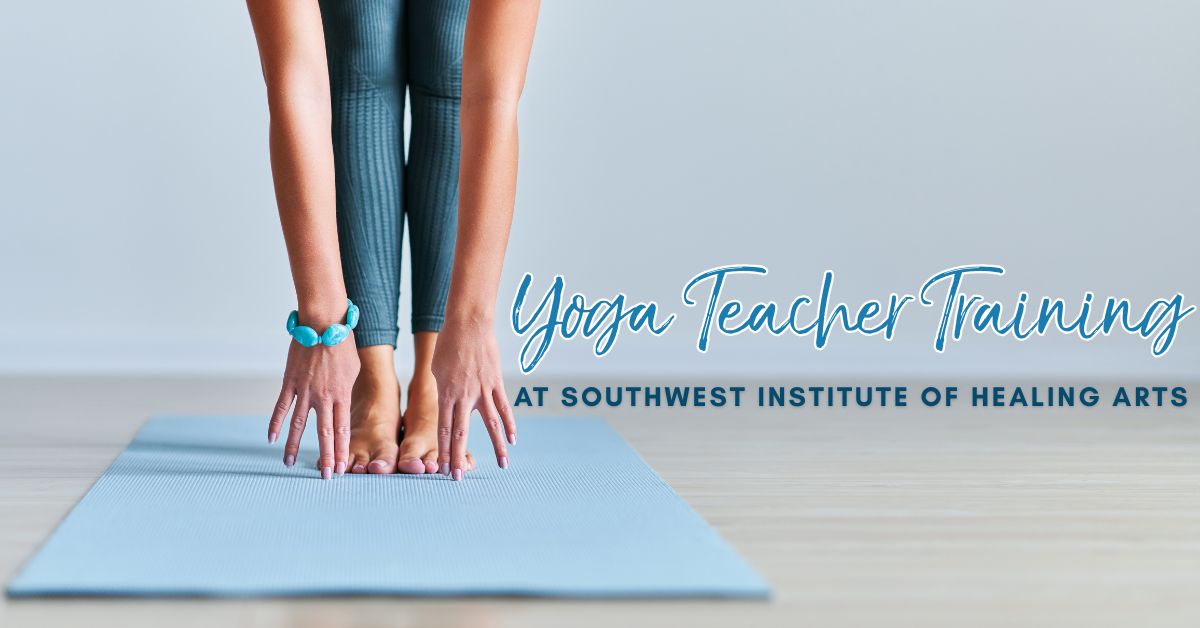
When most people think of yoga, they picture downward dogs, warrior poses, and peaceful savasanas. However, those physical movements, known as asanas, are just one small part of what yoga truly is. In fact, they’re only one limb of the 8-limbed path laid out in the ancient yogic texts. The real gift of yoga lies in its ability to awaken the inner world… offering a path to presence, connection, and liberation. Yoga is not just a workout; it is a way of life.
Read More
Topics:
Yoga Teacher Training,
Yoga Teacher Certification,
Yoga 200 Hour Training,
spirit of yoga,
Registered Yoga Teacher
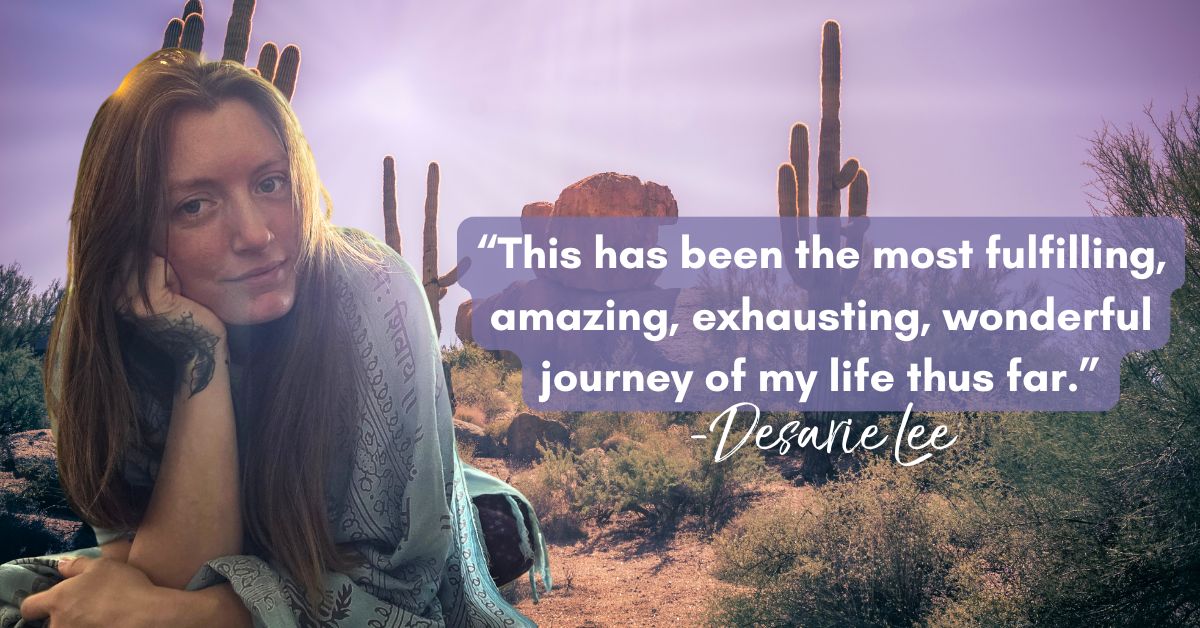
When Desarie Lee first found SWIHA, she wasn’t seeking a certificate—she was seeking spiritual alignment. Already practicing Reiki and deeply connected to the metaphysical world, Desarie had read Journey of Souls and felt called to guide others toward the magic and depth of the spirit realm. After a transformative “life between lives” session with a hypnotherapist who happened to be a SWIHA graduate, Desarie’s path was clear. Spirit said “YES,” and so did she.
Read More
Topics:
Great Graduate,
Spiritual Coaching,
integrative healing arts practitioner,
healing botanicals and earth ceremonies
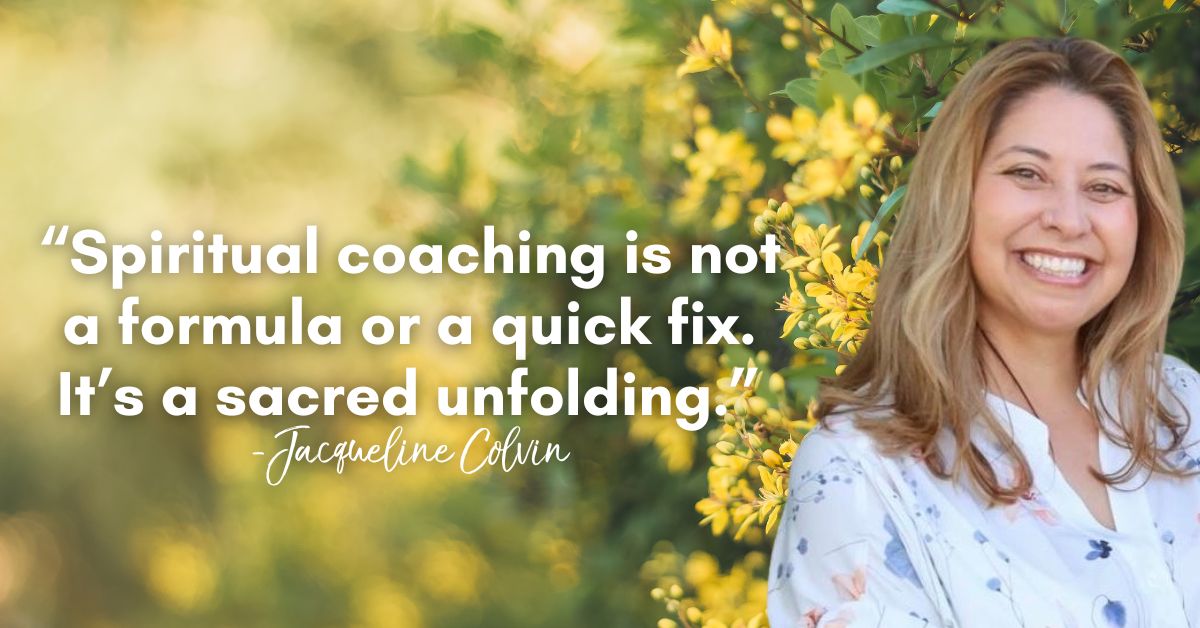
I came to spiritual coaching not through a textbook or a plan—rather, through an experience that awakened something deep within me. While working as a massage therapist at a yoga retreat, I found myself surrounded by healing energy. I received Reiki sessions, participated in guided meditations, and experienced powerful hypnotherapy sessions. I didn’t know it at the time, however, something inside me was shifting. I felt myself opening, softening, and connecting more deeply with parts of myself I hadn’t accessed in years.
Read More
Topics:
Great Graduate,
Spiritual Coaching,
integrative healing arts practitioner
When you hear the word hypnotherapy, what comes to mind? A swinging pocket watch? Stage performers making people cluck like chickens? It’s time to clear the smoke and mirrors—because real hypnotherapy is a powerful, evidence-based tool for healing, transformation, and empowerment.
In a world where stress, anxiety, and burnout are at an all-time high, hypnotherapy is quickly gaining recognition for its ability to create lasting change from the inside out. And it’s not magic—it’s neuroscience.
Read More
Topics:
Become a Hypnotherapist,
hypnotherapy program,
Advanced Clinical Hypnotherapy
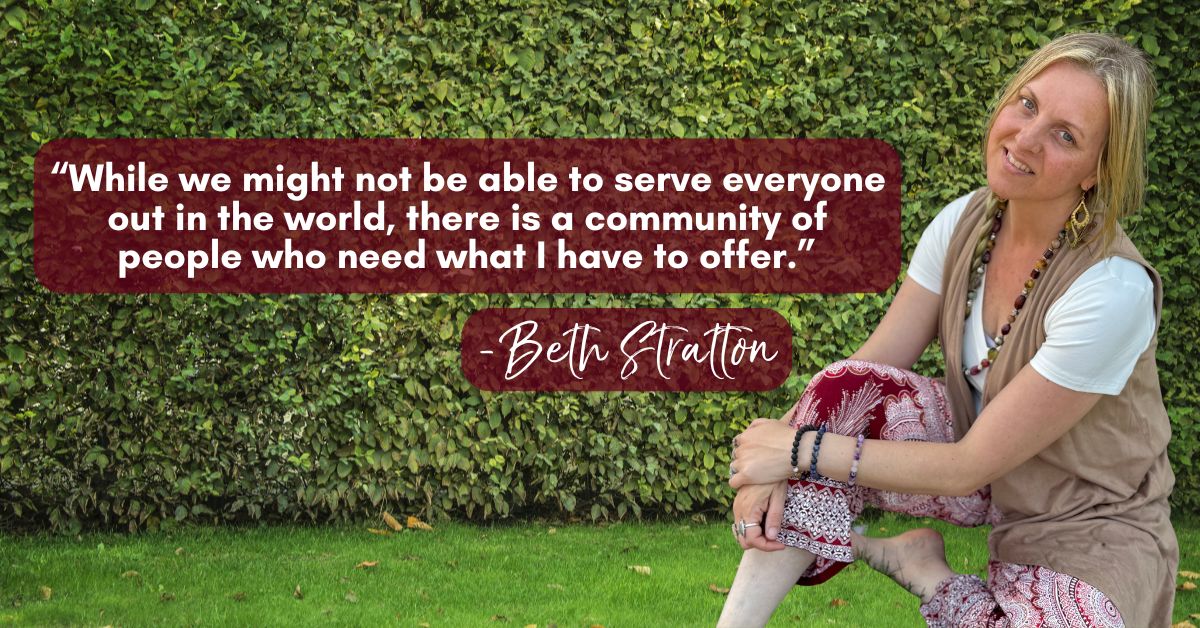
Before Beth Stratton discovered Southwest Institute of Healing Arts (SWIHA), she was on a quest for purpose. With a business degree and entrepreneurial experience behind her, life took an unexpected turn when she had to close her business. Feeling lost and uncertain, she enrolled in an accelerated nursing program—driven by her deep desire to help others—yet her plans shifted again when she became pregnant. Life, as it often does, paused one dream to make space for another. Beth devoted the next several years to raising her children and embracing the journey of full-time motherhood.
Read More
Topics:
Great Graduate,
ordained,
integrative healing arts practitioner,
Holistic Entrepreneurship
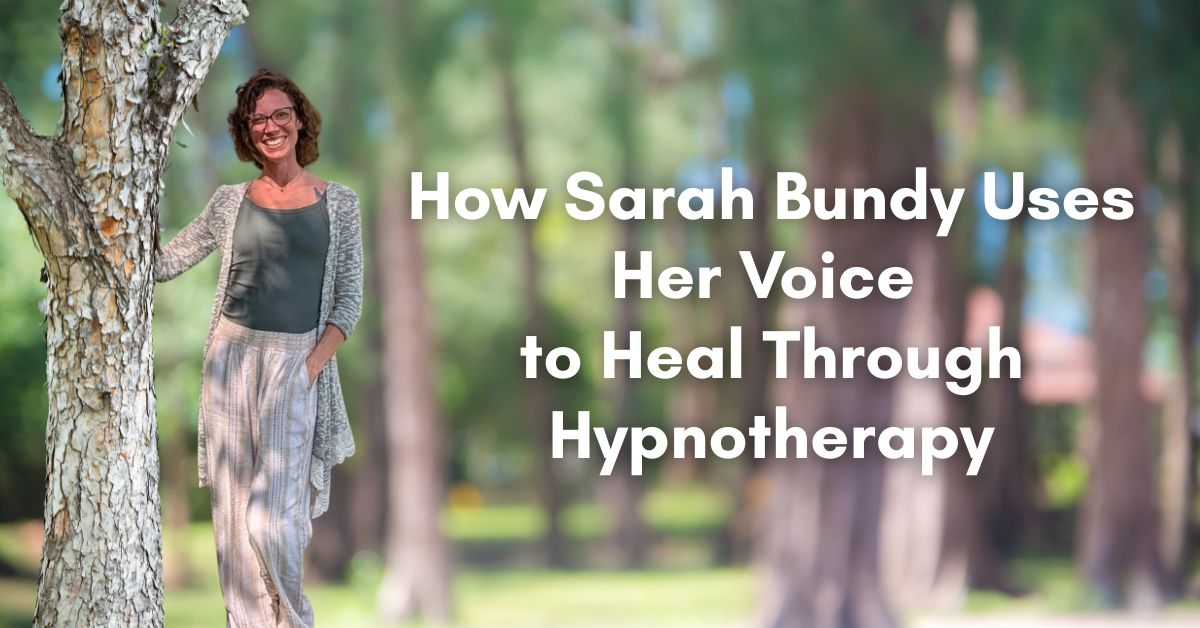
For two decades, Sarah Bundy worked as a dental assistant—committed to the job, yet deeply aware that something was missing. Each day, she felt the toll of showing up to a career that no longer resonated with her. The stress followed her home, impacting her children and dimming the joy in her daily life. Beneath the surface, Sarah knew she was meant for something more—something aligned with healing, growth, and the soul’s deeper purpose.
Read More
Topics:
Great Graduate,
integrative healing arts practitioner,
Holistic Entrepreneurship,
Advanced Hypnotherapy
What if the path to your most aligned, empowered, and meaningful career could begin right where you are… from your living room, a local coffee shop, or even a quiet corner of nature?
At Southwest Institute of Healing Arts (SWIHA), our Online Integrative Healing Arts Practitioner Diploma is designed to do just that: to help you heal yourself first, and then support others on their healing journeys, all while building a career rooted in purpose, flexibility, and deep fulfillment.
Read More
Topics:
healing arts,
integrative healing arts practitioner,
Online Education,
online SWIHA Student
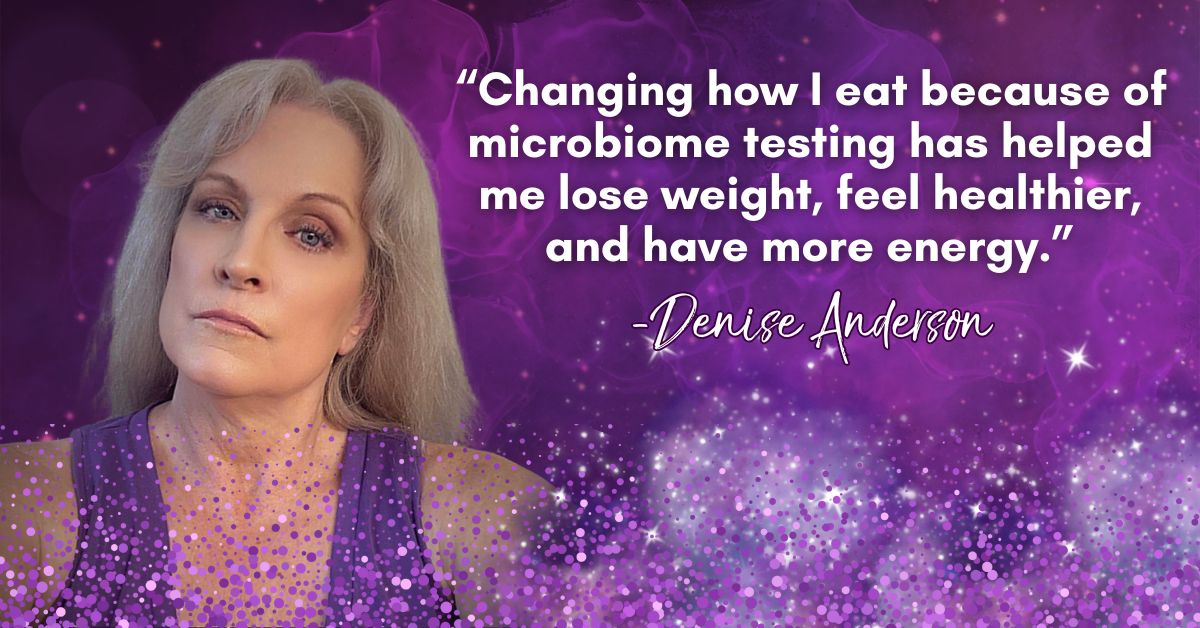
Have you ever paused long enough to think about the incredible, unseen world living inside your gut? I'm talking about your gut microbiome—a moving universe of trillions of tiny bacteria, viruses, and fungi. These microscopic microbes aren't just residing there; they're actively working to keep your gut and its lining healthy. And believe me, when your gut is happy, it sends waves of well-being throughout your entire body.
Read More
Topics:
Holistic Nutrition,
Great Graduate,
Holistic Healh and Wellness Coach,
Gut Microbiome
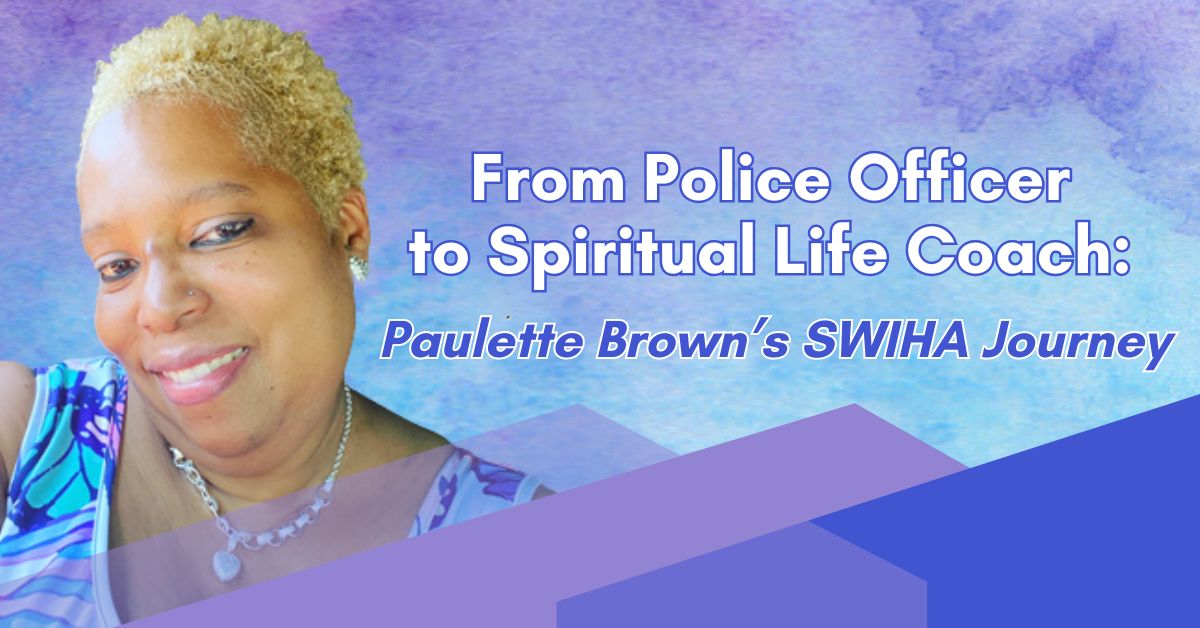
At some point in life, many of us feel a deep inner calling—a whisper that says, “There’s more for you out there.” For Paulette Brown, a retired police officer with a lifelong passion for helping others, that call came with a desire for a new beginning. She knew she wanted to live a more meaningful life, one aligned with spiritual purpose and healing service. That calling led her straight to Southwest Institute of Healing Arts (SWIHA), where she enrolled in the Integrative Healing Arts Practitioner (IHAP) program with the dream of becoming a Spiritual Life Coach.
Read More
Topics:
Great Graduate,
Spiritual Coaching,
integrative healing arts practitioner,
Holistic Entrepreneurship
Looking for a festive and functional way to cool down this 4th of July? These red, white, and blue popsicles aren't just beautiful to look at; they’re packed with skin-loving, gut-healing ingredients that support your body from the inside out. Whether you’re watching fireworks or relaxing by the pool, these nourishing pops are a sweet reminder that wellness can be simple AND celebratory.
Read More
Topics:
Holistic Nutrition,
Holistic Nutrition Coach,
Holistic Health and Wellness,
Holiday Recipes